/filters:quality(90)/fit-in/970x750/coros-web-faq/upload/images/ac406aff8c98a154d954d1dd38553eca.jpg)
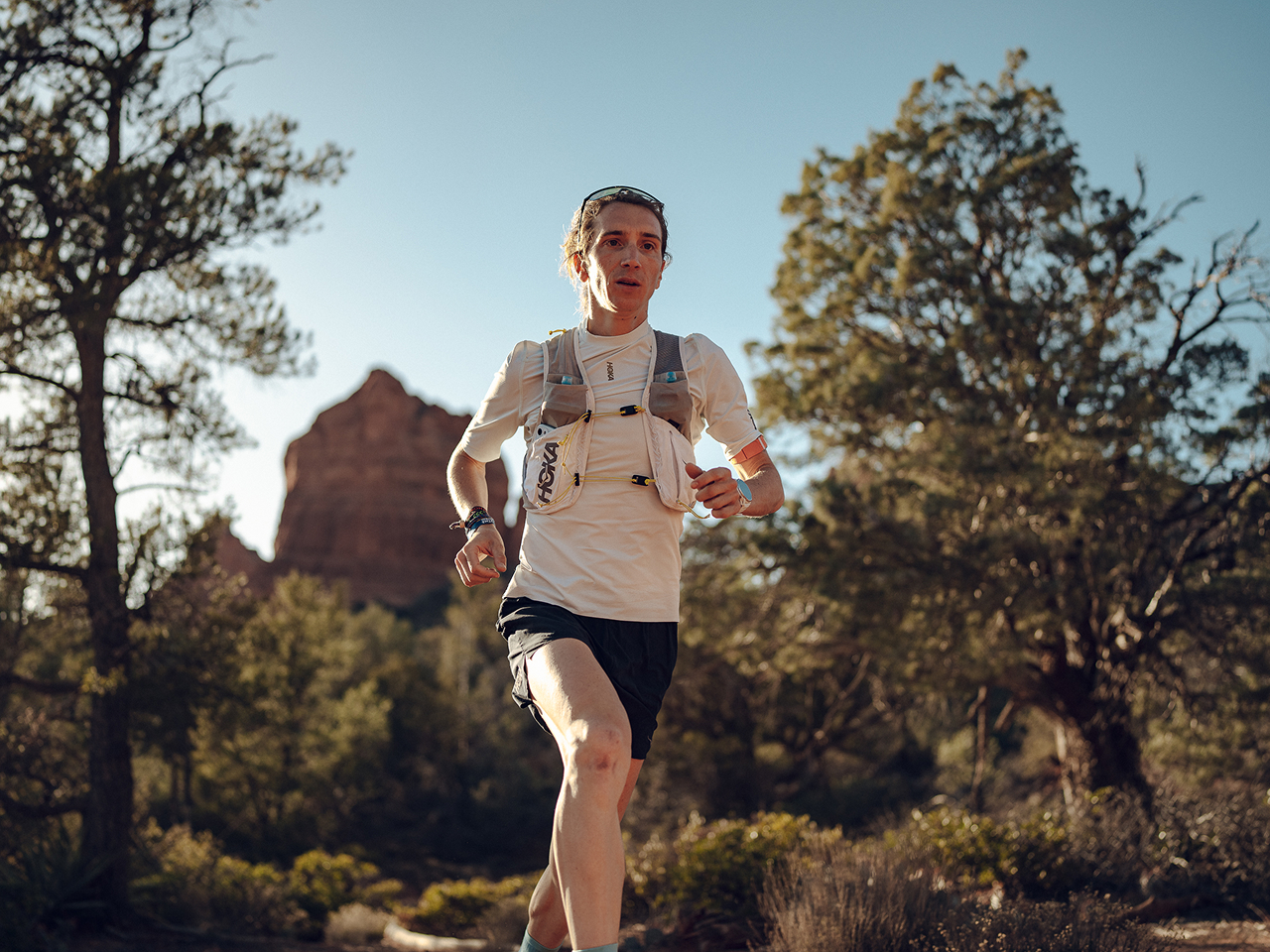
A year ago, Hans Troyer stood on the starting line of his very first Western States. At just 25 years old, he looked around at hardened athletes he’d spent years watching from afar.
A few spots down stood Kilian Jornet, arguably the most influential trail runner in the sport’s history. Other competitors felt strangely familiar from years spent scrolling Strava, watching livestreams, and measuring himself against them. Now, they’re standing shoulder-to-shoulder in Olympic Valley.
Objectively, Hans had earned his place on that starting line back in 2025. The problem was, he didn’t entirely believe that.
"I do feel like I belong here, now," Hans says, leading up to this year’s 2026 Western States. "I wouldn't have answered that the same way last year."
Since his Western States debut, Hans has won the JFK 50 Mile, opened 2026 with a win and course record at Black Canyon 100K, and followed with another victory at Twisted Fork 30K in a day of deluge and downpour. On paper, it's the kind of résumé that should silence the doubt in anyone's mind.
Instead, it taught him something unexpected: doubt doesn't disappear when you start winning.
Even now, with Western States less than a week away, Hans describes his confidence as a moving target.
"It changes weekly," he says. "After a good workout, it's like, 'Oh dude, I'm fit. I'm gonna take this thing.' Then after a bad night's sleep, it's like, 'Oh no, that's not good.'"
The fluctuations aren’t always logical. After JFK he felt unbeatable. After Black Canyon the feeling returned. Then, inevitably, that feeling faded.
"Two months later, my brain starts saying, 'What if that was just a special day? What if I just got lucky?'"
That’s the strange thing about imposter syndrome. It doesn’t care about accomplishments. It survives breakthrough performances, winning, even course records. Even after years of success, those very human fears still find a way to surface.
Do I deserve to be here?
It often starts with comparison. Hans might glance at another athlete’s training. Or start overthinking his own career.
"I wasn't even close to these guys in college," he says. "So there's always that thought in the back of my head. Am I just getting lucky?"
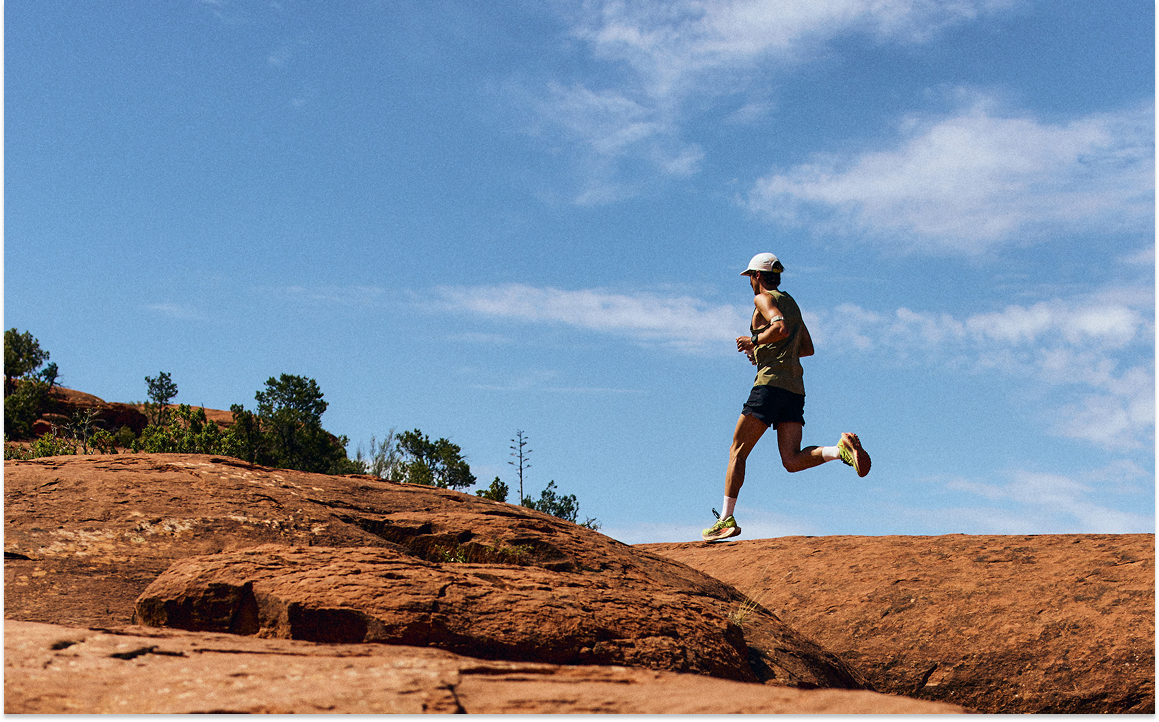
For most of his life, Hans wasn’t trying to become one of the best ultrarunners in the world. He was a fearless kid doing backflips and surviving on Goldfish crackers and gas station snacks. Always chasing the next adventure.
Running gave that fearless energy a direction. He might not have the most decorated NCAA career, but he did have consistency. Year after year, workout after workout, he kept showing up. That same gutsy personality he had as a kid helped him quickly rise through the ultrarunning ranks at just 23 years old, gaining attention in a “who the hell is this guy” sort of way.
Now when he catches himself comparing accolades, he has his own evidence to turn to: JFK, Black Canyon, Twisted Fork, and even last year's Western States where he placed 8th.
"The races even out the playing field for me," he says.
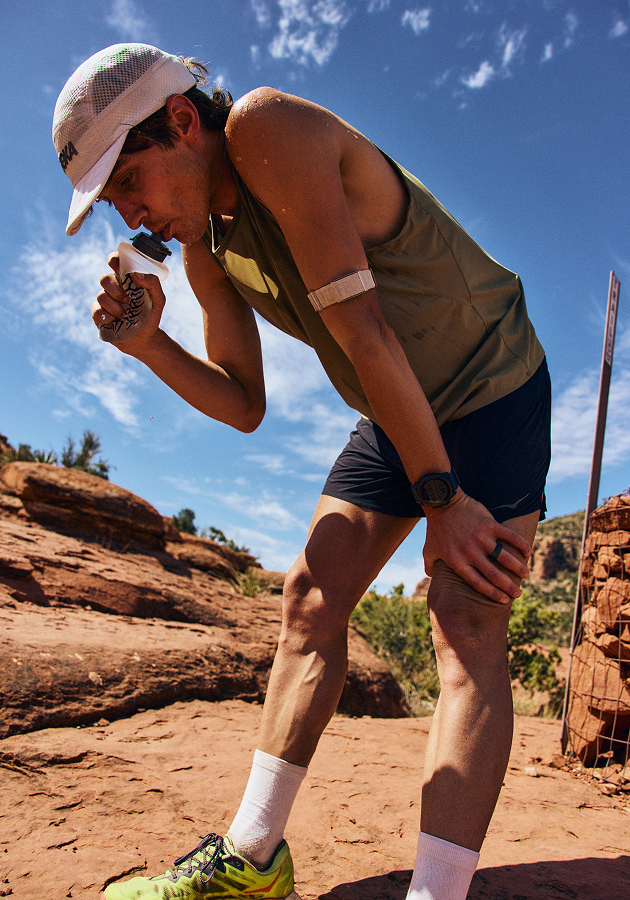
For years, Hans's greatest strength and greatest weakness were the same thing. He could suffer. Not just tolerate discomfort or manage it, but actively seek it out. The harder things got, the more convinced he became that the answer was to push harder still.
In 2024, that mindset nearly killed him.
"My mindset two years ago entering the sport was so bulletproof that honestly, it put me in the hospital."
At the 2024 Black Canyon 100K, Hans pushed himself into rhabdomyolysis, a severe condition in which damaged muscle tissue breaks down and floods the bloodstream with proteins that can overwhelm the kidneys.
He still placed 10th.
By the time he reached the hospital, his body was shutting down. He wasn’t released for 12 days. Looking back now, Hans realizes this was a warning sign, not a chance to prove how badly he wants success.
For the first time, he had found a limit that grit alone couldn’t overcome. This was a turning point and a lesson he could use to grow. Real toughness is understanding the signals your body is putting out and staying patient even when patience feels slow. These lessons allow you to preserve yourself enough to keep competing long after a single race is over.
Hans admits that emotion can be unreliable and that confidence fluctuates. When anxiety creeps in, he recognizes that your mental state can shift on any given day, often due to factors out of our control.
But the numbers don’t.
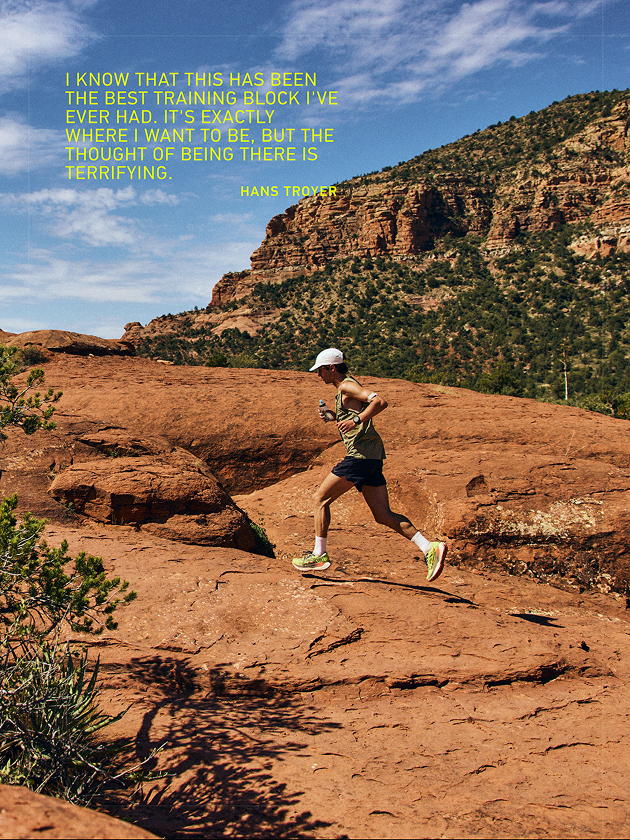
"I know that this has been the best training block I've ever had," he says.
He knows this from months of evidence in training data, heart rate trends, workouts, recovery, and race performances all pointing to the same conclusion. Hans has built the fitness; the challenge is believing it, especially when fatigue sets in during the race.
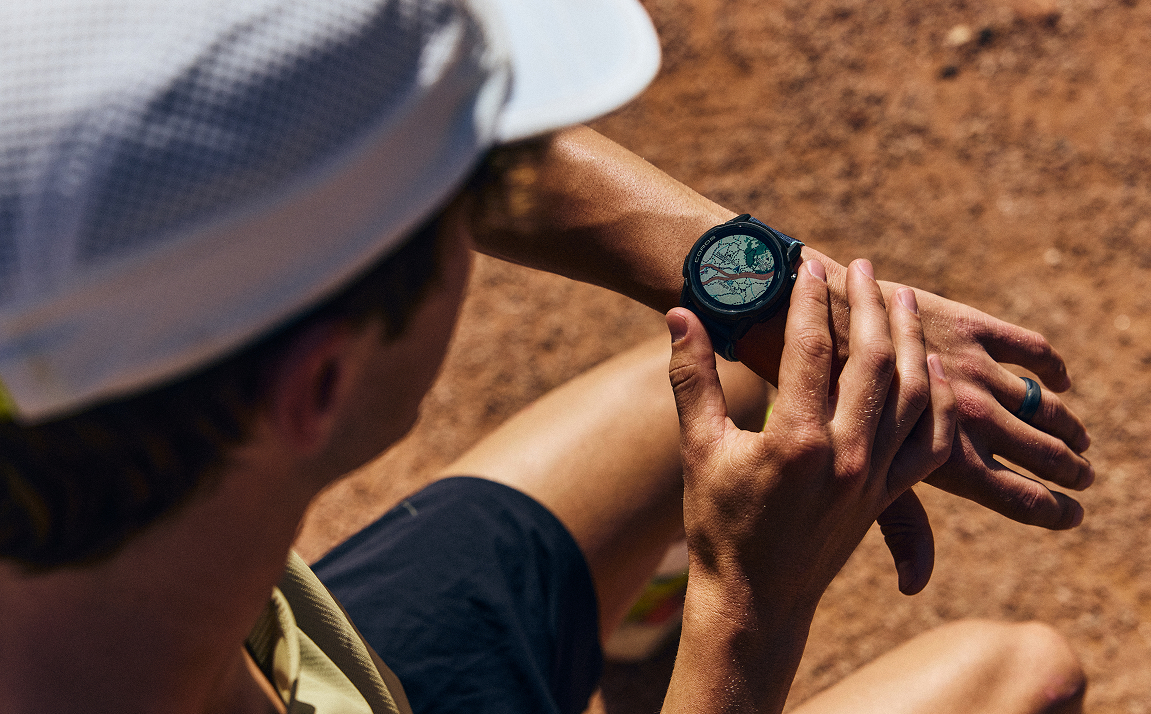
When Hans talks about fear, he sees possibility in what others would call failure. Sometimes during training, he allows himself to imagine himself at Robbie Point, just 1 mile from the finish.
The final descent into Auburn, when you come crashing down with everything you have left. After 99 grueling miles, you are rewarded with a final stretch packed with spectators leading to the Placer High School track.
The finish line close enough to taste.
In Hans's mind, the race is still hanging in the balance. He pictures himself alongside Kilian Jornet and Jim Walmsley. The scenario is powerful because it is possible. What was once a dream could become reality, but it won't be free. That's the scary part.
"It's exactly where I want to be," he says. "But the thought of being there is terrifying."
For years, fearlessness meant charging forward no matter the cost. He relied on fortitude even when it meant ignoring warning signs along the way. Now his definition is different. It has matured with his career.
"Being fearless to me is acknowledging that I'm human and I'm capable of something great, and combining the two."
Hans knows, even through his doubts, that he is capable of greatness. It's this insight that leads him to a deeper line of questioning.
"I want to be the best, so bad," he says. "There's probably a deep desire for acceptance. But what happens when I am the best? What happens then?”
While doubt will always linger, he is beginning to ignore what it says about his potential. Instead, he now realizes just how much might be possible.
A year ago, Hans Troyer arrived at Western States just grateful to be there. This year, he knows he belongs. Now comes the exciting part: finding out exactly what he’s capable of.