/filters:quality(90)/fit-in/970x750/coros-web-faq/upload/images/4a13018abb36bdf483f2b1e6bee3b197.png)
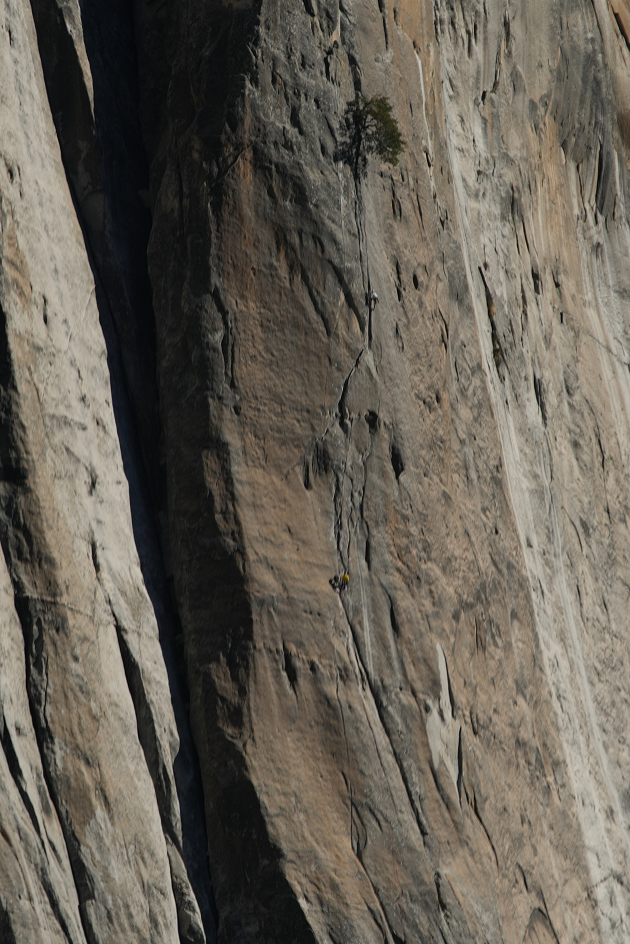
Few features in Yosemite National Park carry as much mystique for climbers as the Lost Arrow Spire - a detached granite pinnacle rising above the valley near Upper Yosemite Falls, long known as a classic big-wall objective and a rite of passage for seasoned climbers.
On December 14, 2025, climbers Tanner Wanish and Brant Hysell etched their names into Yosemite’s unofficial speed-climbing hall of fame by completing the fastest known ascent of the Lost Arrow Spire Direct in a blistering 3 hours and 11 minutes - a feat that few parties have ever attempted, and even fewer have executed with this level of efficiency.
The achievement marks not only a bold personal milestone for both athletes but also a celebration of endurance, precision, and an evolving frontier in big-wall speed climbing - one that continues to redefine what’s possible on classic terrain.
What Makes the Lost Arrow Special
The Lost Arrow Spire sits detached from Yosemite’s main cliff line and has been part of climbing lore since the mid-20th century. Originally ascended using aid climbing and pitons in multi-day efforts, its history reflects the spirit of Yosemite’s golden era of big-wall exploration.
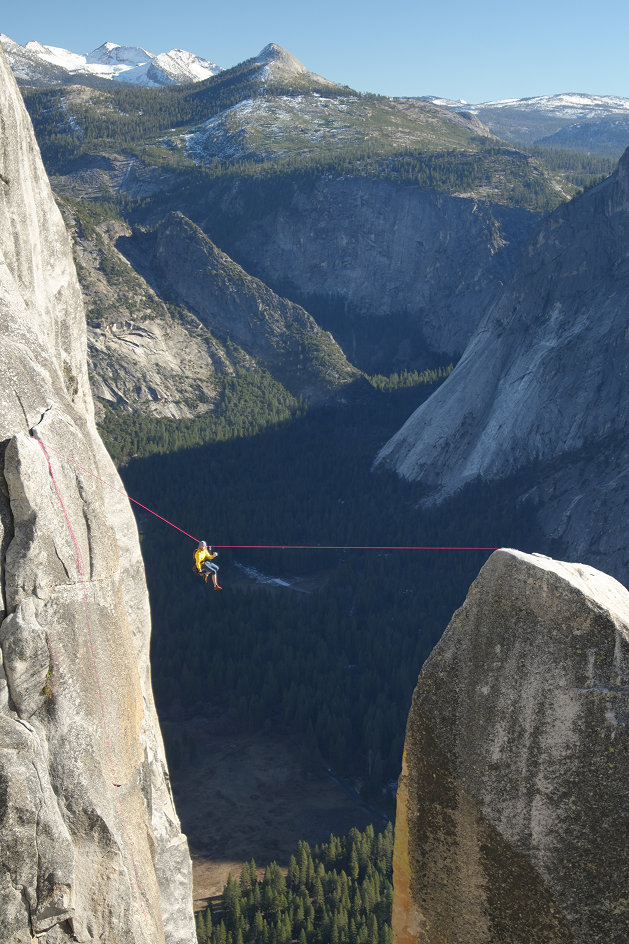
Unlike the famous trade routes on El Capitan or the sweeping lines on Half Dome, the Lost Arrow offers something more unusual. Climbers often rappel into The Notch, climb the spire itself, and return via a dramatic Tyrolean traverse back to the rim - a spectacular finale that leaves climbers dangling above the valley floor.
For Brant Hysell, the spire has been calling since his earliest days in the Valley.
“I remember hiking the Upper Falls trail alone before I knew anyone or even knew how to trad climb,” he recalls. “There was a split in the trees where I could suddenly see the spire, and I thought, 'I wonder if anyone has ever climbed that? Probably not…' Boy was I wrong.”
The route quickly became a dream objective.
“First big wall ever. Super classic. Tyrolean traverse,” he says. “It should be right up there with the Regular Northwest Face of Half Dome in terms of attention it gets.”
The Idea: Turning a Classic Into a Speed Objective
Despite its history, Lost Arrow had never become a mainstream speed-climbing target in the way that routes on El Capitan have. But the idea of pushing the pace had been quietly simmering for both climbers.
For Brant, the inspiration came from long days spent in Yosemite’s meadows.
“This past season I spent a lot of time hanging out in a meadow with the perfect view of Lost Arrow,” he says. “It was proudly hanging above the valley rim taunting me. When Tanner brought it up, it was basically a foregone conclusion. We had to do it.”
Tanner had been thinking about the spire for even longer.
“I’d been thinking about Lost Arrow since the summer of 2024 when we started talking about the Quad,” he says, referencing ambitious Yosemite linkups. “At the time the only reference we had for a time was the standing record of seven hours and twenty minutes.”
Using a simple rule of thumb from speed climbing, roughly 10 minutes per pitch on terrain of this grade, Tanner believed the wall could go much faster.
“That napkin math suggested the route could be climbed in less than half the standing record,” he says. “It felt like low-hanging fruit to explore.”
Speed Climbing Philosophy
For both climbers, speed climbing isn’t all about shaving minutes, they see it as a completely different way of experiencing big walls.
“There is no better feeling than looking up at a huge face and thinking, 'I can’t wait to climb this big beautiful rock,'” says Brant. “Then teaming up with a stoked and competent partner to float it. It’s a feeling like you’re the master of your own destiny.”
Tanner sees it as something even deeper.
“Speed climbing is liberation,” he explains. “It’s the ultimate expression of freedom on the wall. There are no rules about style, if you feel strong, free climb. If you hit something scary, plug a cam and pull through until you can free climb again.”
That freedom transforms enormous walls into what he calls “playgrounds for adults.”
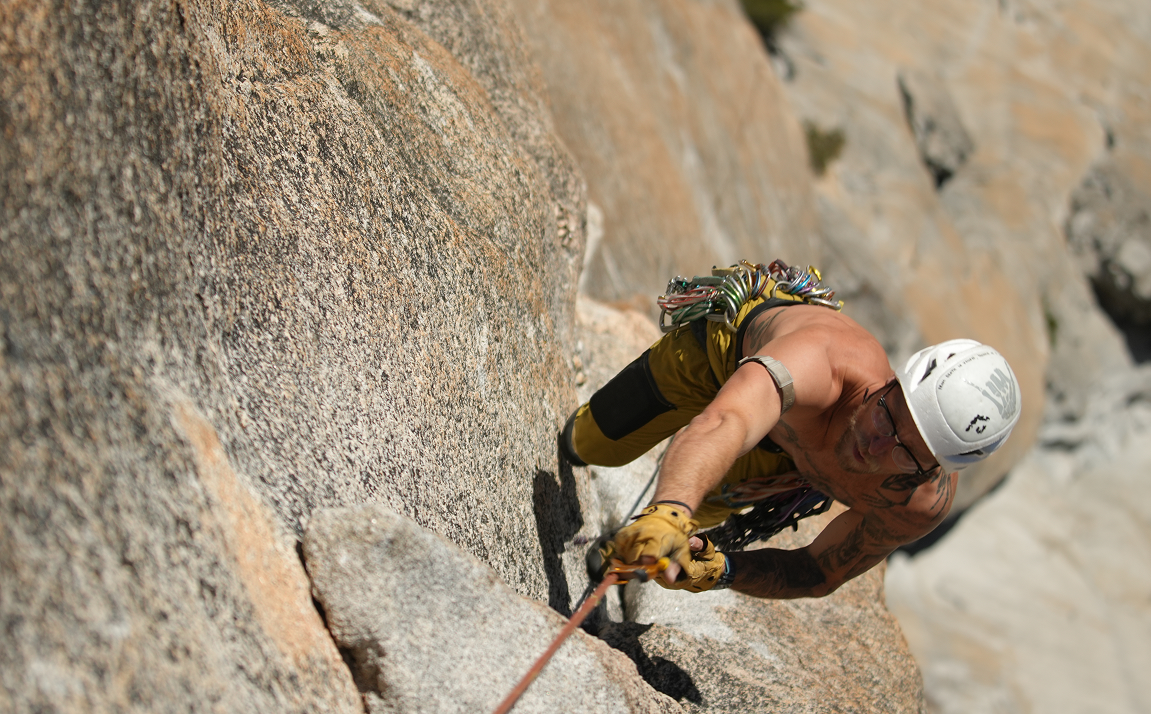
Preparing for the Attempt
Unlike many Yosemite projects that unfold over weeks of attempts, Tanner and Brant had a tight timeline.
They had just three working days in the park to scout and attempt the climb.
To compensate, they did most of the preparation far from the rock. In this case, the planning session happened around Brant’s kitchen table.
“We always sit down and talk through the wall in painstaking detail before a race,” Tanner says. “Every pitch, every crux, gear placements, tactics, safety concerns.”
Because they expected only a single practice lap before their attempt, they approached the reconnaissance climb with unusual discipline.
“We intentionally slowed down on our beta burn,” Tanner explains. “We wanted to properly scout the cruxes and make sure every section was dialed so we wouldn’t hesitate the next day.”
The team dynamic also played to their strengths.
“Tanner tends to take more of the free climbing blocks,” Brant says, “and I take more of the aid sections. It worked out perfectly.”
Both climbers also arrived with strong resumes: Tanner had recently completed the Yosemite Triple Crown in under 18 hours, while Brant had been pushing speed ascents on El Capitan aid lines all fall.
Race Day on the Spire
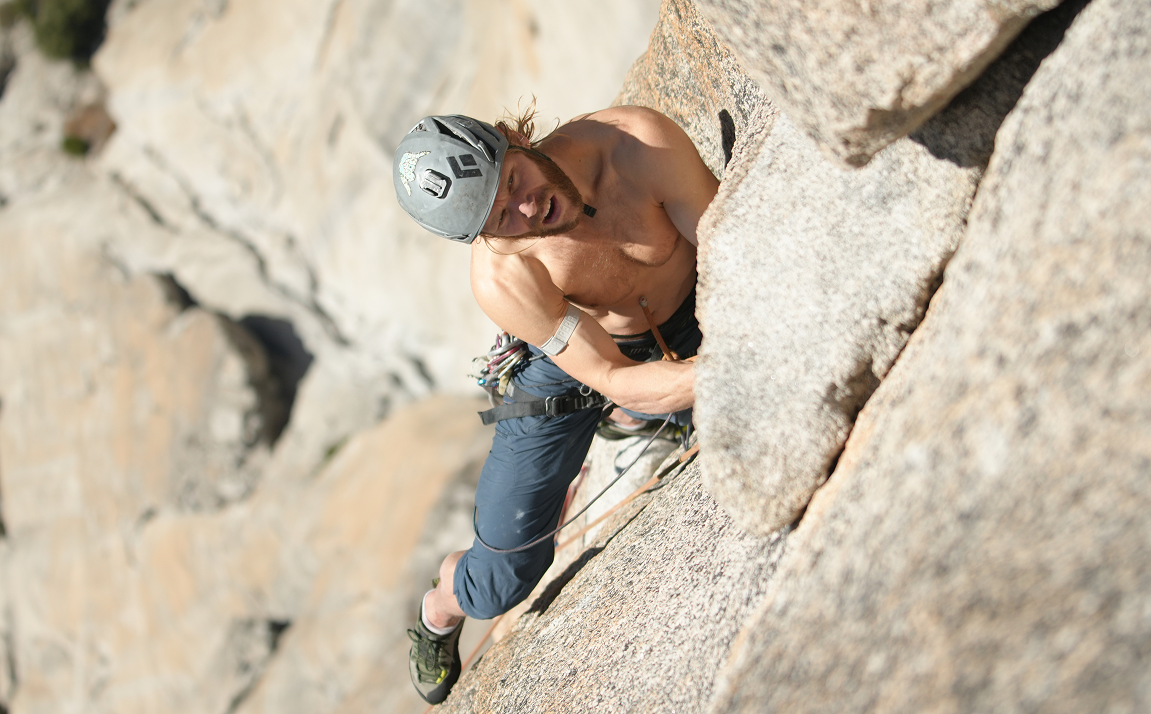
When the moment came, the strategy was simple: move constantly.
On a 16-pitch wall like Lost Arrow, pacing becomes almost irrelevant.
“This is where you take the governor off,” Tanner says. “It’s race time.”
Efficiency came from a carefully chosen system: short fixing. Instead of waiting at belays, the leader keeps climbing while the follower ascends the rope and prepares the next pitch.
“The most important thing is keeping the rope moving up the wall at all times,” Tanner explains.
Meanwhile, Brant focused on maintaining steady momentum, especially during the jugging sections where climbers ascend the rope.
“It’s really about eliminating pauses,” he says. “You want to be steadily moving up the wall without hiccups.”
Still, safety always came first.
Speed climbing requires constantly evaluating risk - deciding where a fall is acceptable and where it absolutely isn’t.
“One pitch I might leave six cams in,” Brant says. “The next pitch maybe one or two. It’s all about knowing when you can go light and when you can’t risk it.”
The Role of Data and Technology
Modern speed climbing increasingly blends physical skill with performance data.
Using tools like the COROS VERTIX 2S, the team tracked heart rate and splits during the climb.
“For high-output pushes like this I watch my heart rate to avoid frying myself too early,” Tanner explains. “Around 150 beats per minute is a good zone on lead.”
Brant used the data more during the quieter moments.
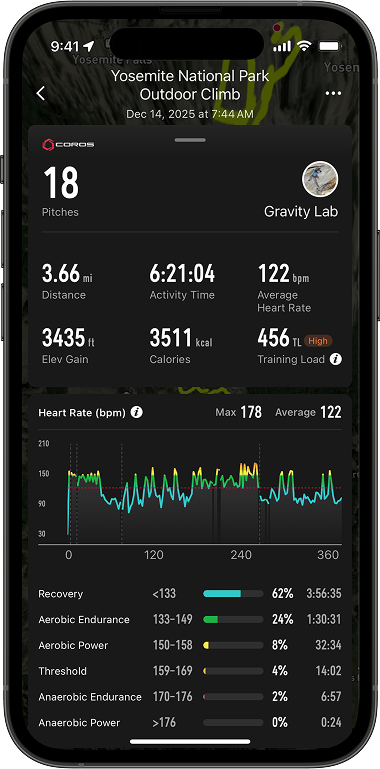
“I’d focus on getting my heart rate below 90 beats per minute during the short belay breaks,” he says. “If I could do that, I knew I still had a lot left in the tank.”
Keeping calm during these transitions helped conserve energy for the harder pitches later on.
“It’s easy to get caught up in the excitement,” Brant says. “But staying relaxed while belaying and jugging saves a huge amount of energy.”
A New Frontier for Lost Arrow
Beyond the time itself, the climb held deep personal significance for both athletes. For Brant, Lost Arrow had long been a missing piece in his Yosemite resume. “I was really happy just to have the opportunity to climb it—especially twice in one day,” he says. “And it was Tanner and my first real climb together. The fact that we flowed so well right away was pretty special.” For Tanner, the experience reaffirmed why climbing sits at the core of his life. “Climbing to me is the ultimate expression of life,” he explains. “You learn how you react to fear, risk, pressure, and failure. You learn patience on long belays and how deeply you understand the rock and the seasons.”
Their ascent may also signal a new frontier for Yosemite speed climbing. While records have traditionally focused on El Capitan’s iconic routes, Tanner and Brant hope their effort shines a spotlight on Lost Arrow. “Lost Arrow represents some of the best Yosemite has to offer,” Tanner says. “Huge ledges, incredible exposure, and the best setting in the park.”
Advice for the Next Generation
For climbers inspired by the ascent, both athletes emphasize one thing above all else: start climbing.
“The biggest factor is just getting out and doing the thing,” Tanner says. “So many people talk about big walls for years but never step off the ground.”
Brant recommends building experience gradually.
“Start with small multipitch routes, then keep building,” he says. “Work up to 15-pitch days, then try your first big wall. Keep learning and talking with your partner about what you could do better.”
Because in the end, speed climbing opens up a world of possibilities.
“The faster you go,” Brant laughs, “the more climbs you can do. Less food, less water, more walls and more shenanigans with a great friend.”
And if Tanner and Brant have anything to say about it, the next climbers racing up the granite tower above Yosemite Falls may soon find themselves chasing a new standard on one of the Valley’s most iconic spires.